Sun Smart in Arizona: How UV Damages Your Skin and How to Protect It
Arizona sun is brutal on skin. How UV causes sun spots, wrinkles and skin cancer, what SPF really means, and the moisturizing sunscreens I recommend.
Here in Arizona we get more than 300 days of sunshine a year. It's one of the best things about living here, and it's also one of the hardest things on your skin. Whether you're hiking, at the pool, running errands or just driving to work, your skin is soaking up ultraviolet (UV) light almost every day of the year.

UVA vs. UVB: two kinds of damage
Sunlight contains two types of UV rays that reach your skin:
- UVB rays ("B" for burning) hit the top layers of your skin and cause sunburn. They're strongest midday and in summer.
- UVA rays ("A" for aging) go deeper, breaking down the collagen and elastin that keep skin firm and smooth. UVA is present all day, all year, even on cloudy days, and it passes through car and office windows.
Both types damage your skin's DNA, and both contribute to skin cancer.
What the sun does to your skin
Sun spots and uneven tone. UV exposure triggers extra pigment production. Over time that shows up as sun spots (also called age spots or liver spots), freckling and blotchy, uneven skin tone on the face, chest and the backs of your hands.
Wrinkles and sagging. Most visible signs of skin aging are caused by the sun, not by age. This is called photoaging. As UVA breaks down collagen and elastin, skin develops fine lines, deeper wrinkles, a rough, leathery texture and a loss of firmness.
Dryness and a weakened barrier. Sun exposure combined with our dry desert air pulls moisture from the skin and weakens its protective barrier, leaving it dull, tight and more sensitive.
Skin cancer. This is the big one. Skin cancer is the most common cancer in the United States, and about 1 in 5 Americans will develop it by age 70. Arizona has one of the highest skin cancer rates in the country. The three main types are basal cell carcinoma, squamous cell carcinoma and melanoma, the most dangerous. The good news is that most skin cancers are linked to UV exposure, which means daily protection makes a real difference.
Notice a new spot, or a mole that's changing in size, shape or color? Please see a dermatologist. I always recommend a yearly skin check, especially for those of us who live in Arizona.
Why daily sunscreen matters
Sunscreen is the single best anti-aging product you can use, and it's your first line of defense against skin cancer. In Arizona, the UV index regularly reaches "very high" or "extreme" levels from spring through fall, and it stays strong enough to do damage in winter too. That's why I tell every client: sunscreen every day, all year, rain or shine.
Decoding the label: what the letters mean
- SPF (Sun Protection Factor)
- Measures protection against UVB (burning) rays. SPF 15 blocks about 93% of UVB, SPF 30 about 97% and SPF 50 about 98%. No sunscreen blocks 100%, and a higher number doesn't mean you can skip reapplying. I recommend at least SPF 30 for daily wear here.
- Broad Spectrum
- Means the sunscreen has passed the FDA test for protection against UVA rays as well as UVB. Always look for these words, because SPF alone tells you nothing about UVA aging.
- Water Resistant (40 or 80 minutes)
- Tells you how long the protection lasts while swimming or sweating. No sunscreen is truly "waterproof" or "sweatproof," and those terms aren't allowed on U.S. labels.
- PA+ to PA++++
- A UVA rating you'll see on Korean and Japanese sunscreens. More plus signs mean more UVA protection.
Mineral vs. chemical sunscreen
- Mineral (physical) sunscreens use zinc oxide and/or titanium dioxide to sit on top of the skin and block UV. They're often a good choice for sensitive skin, but some can leave a white cast.
- Chemical sunscreens use filters like avobenzone, homosalate, octisalate and octocrylene that absorb UV. They tend to feel lighter, rub in clear and layer easily under makeup.
The best sunscreen is honestly the one you'll wear every single day, so texture and feel matter.
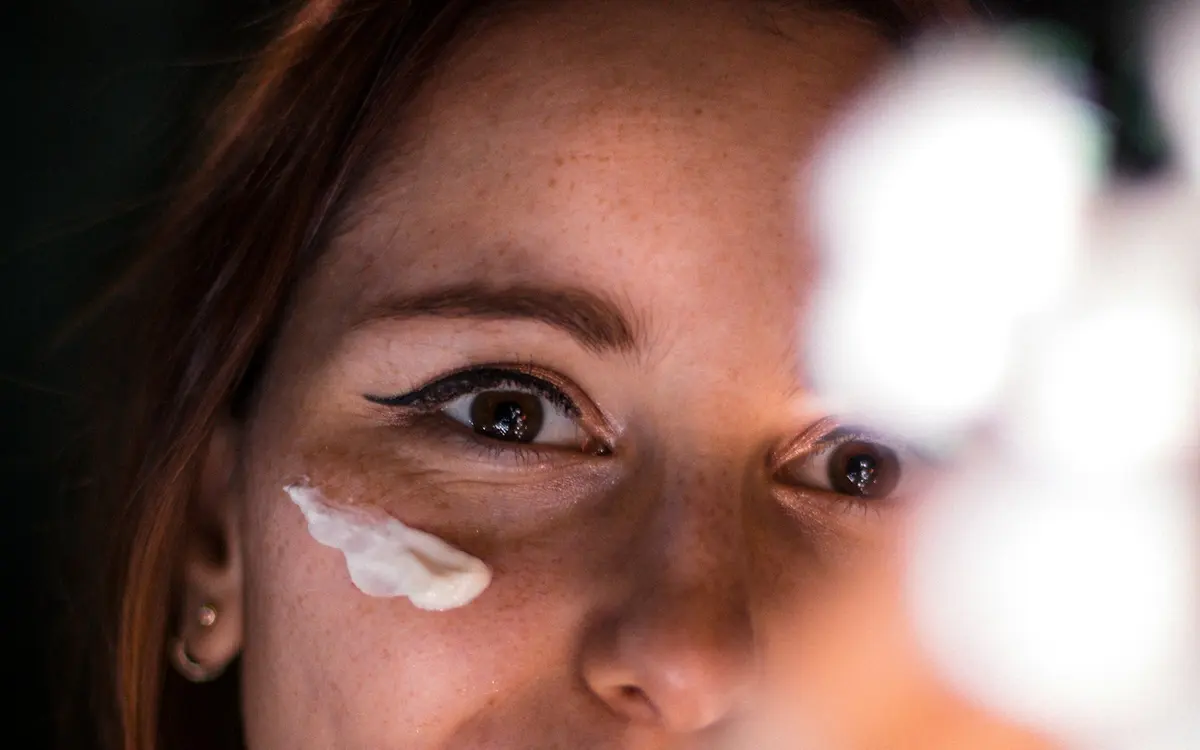
How to apply it (most of us don't use enough)
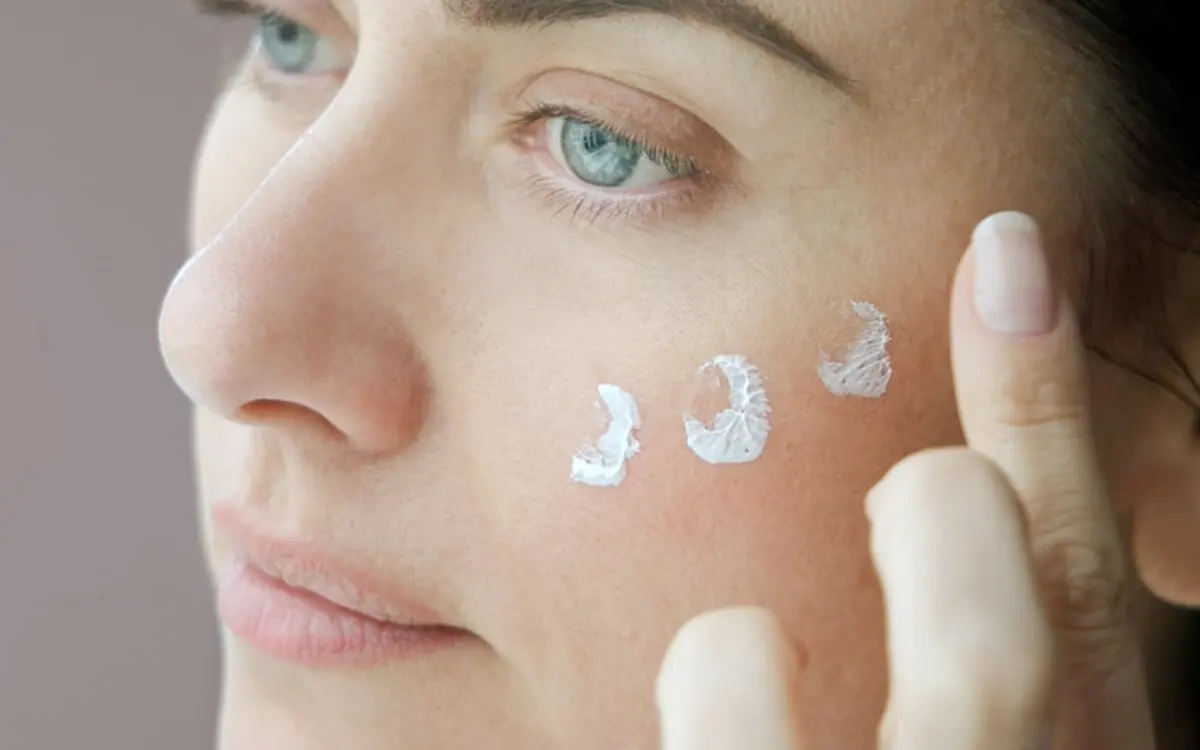
- Use about a half teaspoon for your face and neck, and about a shot glass (1 ounce) for your body.
- Apply 15 minutes before going outside, as the last step of your skincare and before makeup.
- Don't forget your ears, neck, chest, the backs of your hands and your hairline.
- Reapply every 2 hours when you're outdoors, and right after swimming, sweating or towel-drying.
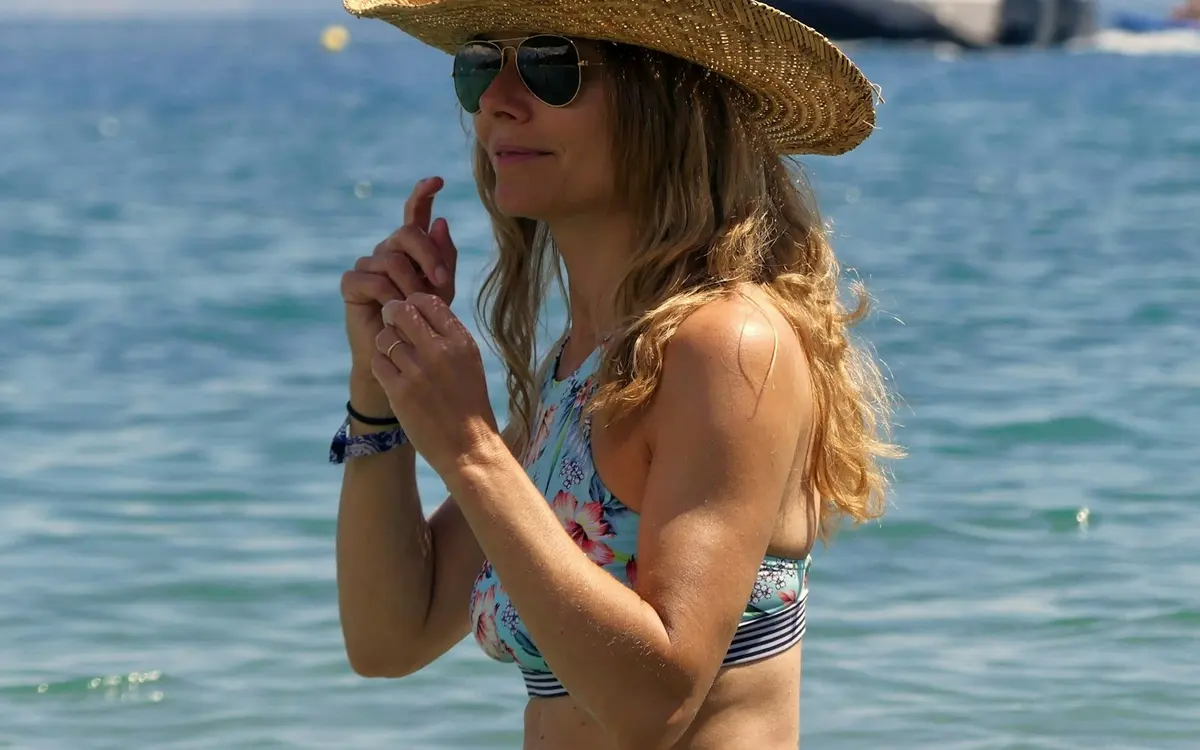
- Add a wide-brim hat, sunglasses and shade during peak hours (10am to 4pm).
My picks: moisturizing sunscreens from Bioelements
Desert skin needs sun protection and hydration, so I love sunscreens that do double duty as a moisturizer. Bioelements makes two that I carry in the studio:
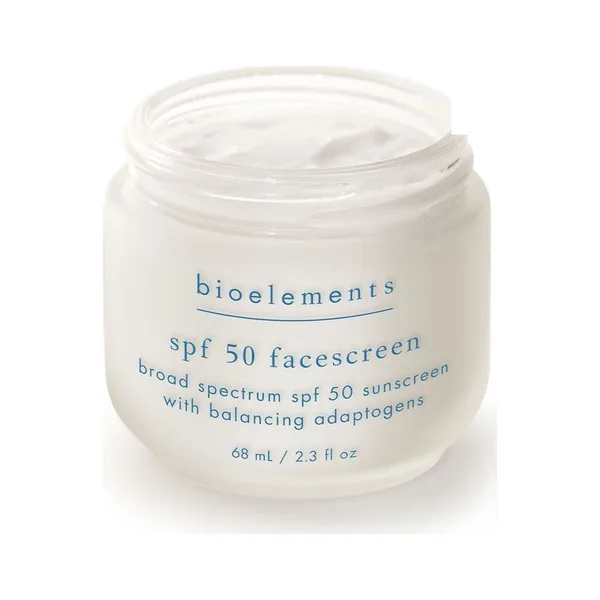
Bioelements
SPF 50 FaceScreen
My everyday favorite. It's broad-spectrum SPF 50 that's light enough to wear under makeup as your daily moisturizer, with no white cast. It's packed with skin-strengthening botanicals and helps improve the look of fine lines and firmness while it protects. It's dermatologist tested and non-irritating, so it's great for most skin types.
Best for: everyday wear, normal to dry skin, anti-aging
Bioelements
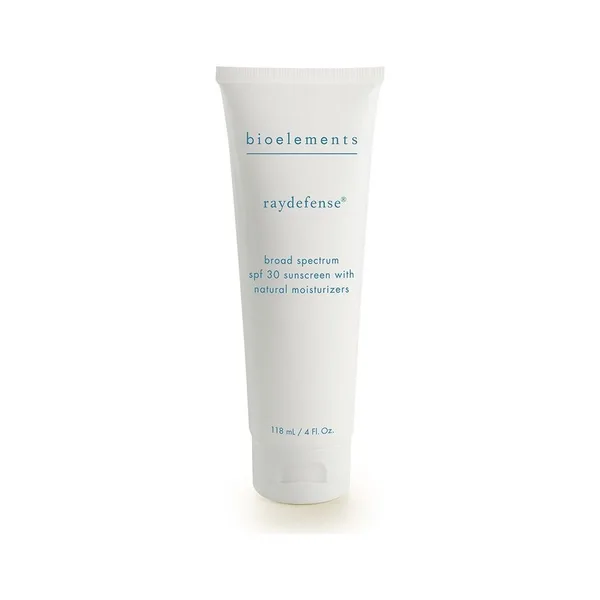
RayDefense SPF 30
Made for an active, outdoor lifestyle and longer time in the sun. This broad-spectrum SPF 30 is lightweight and hydrating with natural moisturizers, and it protects without adding shine. It's perfect for hiking, golf, pool days and anyone with combination or oily skin.
Best for: outdoor days, combination to oily skin
Not sure which is right for you? Ask me at your next appointment. I'm happy to match you with the right sunscreen for your skin type and lifestyle. You can also see all the Bioelements products I carry.
Already have sun damage?
It's never too late to start protecting your skin. Daily sunscreen helps prevent new damage, and professional treatments can help with what's already there. A customized facial restores hydration and brightness, and a retinol hand treatment targets the sun spots and dryness that show up on our hands first.
Enjoy that Arizona sunshine, just do it with your SPF on! ☀️